Last Saturday, a Geelong family returned from a day at Eastern Beach and realized their lounge had absorbed enough sand to fill a small bucket. It’s a frustrating reality for many of us living along the coast, where 82 percent average humidity during our winter months often leads to stubborn mould spots on favorite armchairs. Finding the right upholstery cleaner shouldn’t feel like a high-stakes guessing game that risks ruining your expensive furniture. You’ve likely stared at a fresh spill on your sofa, feeling that sudden wave of panic while trying to remember if water will help or make the stain permanent.
You probably agree that your home deserves to stay fresh and hygienic without the stress of deciphering cryptic care labels or battling the grit of the Bellarine Peninsula. We promise to help you master the art of furniture maintenance with this expert guide tailored specifically for Geelong’s unique climate. We will explain exactly how to use various cleaning tools, decode those confusing W, S, and X cleaning codes, and share the professional secrets to keeping your upholstery looking brand new through every season.
Key Takeaways
- Understand how Geelong’s coastal salt air contributes to fabric degradation and how to combat ‘salt crystallisation’ in your home.
- Learn to decode manufacturer care labels to ensure you use the safe and correct cleaning method for your specific furniture fabric.
- Discover why choosing the right upholstery cleaner is essential to avoid sticky residues that cause your couch to re-soil faster.
- Master the professional step-by-step process for a DIY refresh, including the critical dry-vacuuming phase often overlooked by homeowners.
- Find out why professional truck-mounted steam extraction remains the gold standard for deep sanitisation and long-term furniture care in Geelong.
Why Upholstery Cleaning in Geelong and the Surf Coast is Unique
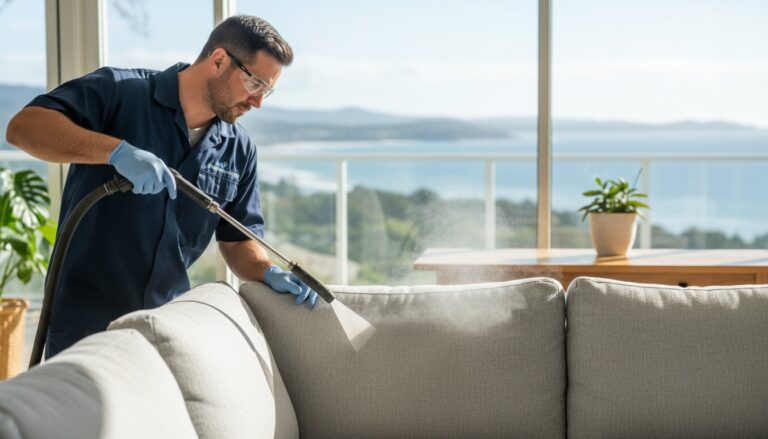
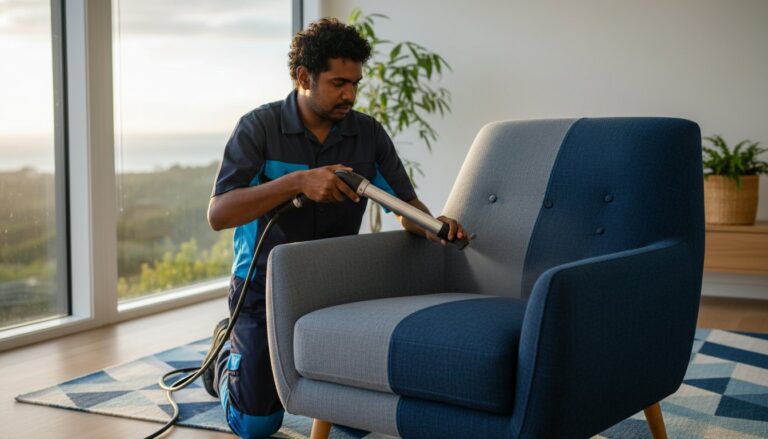
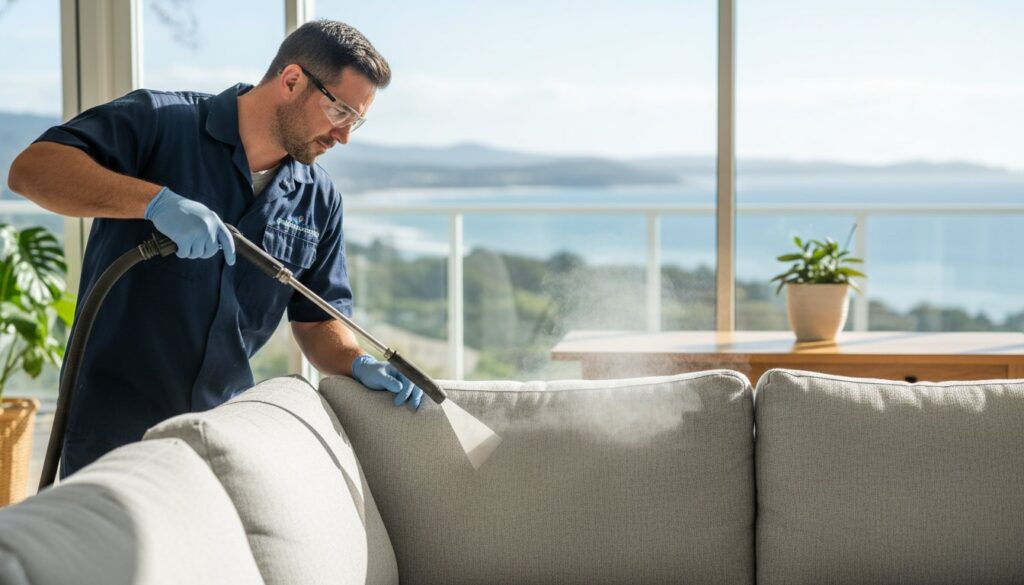
Upholstery cleaning is a multi-stage technical process that goes far beyond a simple wipe-down. At JJs Carpet & Tile Cleaning, we treat it as a science of soil suspension and deep extraction. We apply specialised solutions to loosen body oils and dust before using high-powered machinery to pull those contaminants out. This process is vital for Geelong homes because our local environment is surprisingly harsh on furniture. Whether you are dealing with linen, velvet, or synthetic blends, understanding different types of upholstery fabrics is the first step in a successful deep clean.
The Impact of the Coastal Environment
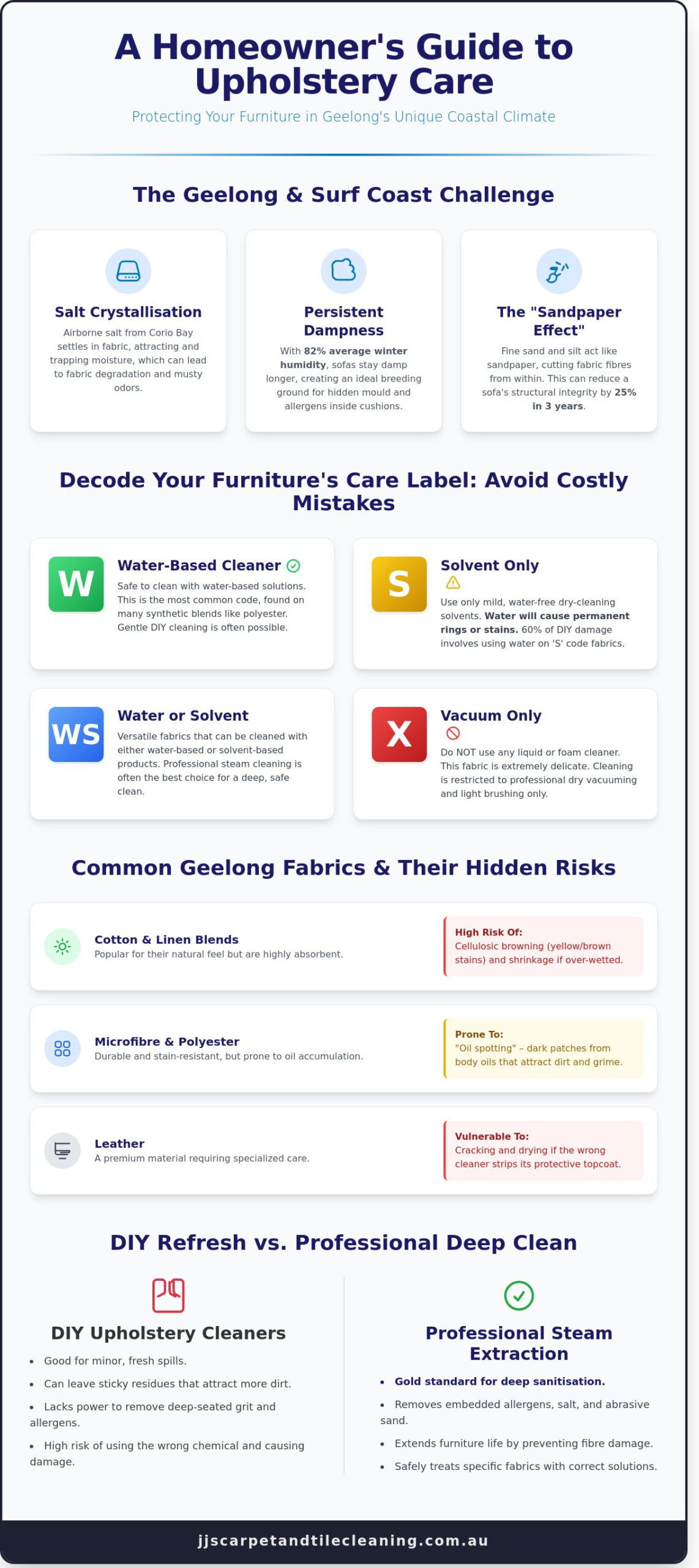
Geelong’s salt air creates a specific challenge known as salt crystallisation. Tiny salt particles from Corio Bay or the Bass Strait settle into the weave of your sofa. These crystals are hygroscopic, which means they naturally attract moisture from the air. In coastal spots like Torquay and the Bellarine Peninsula, indoor humidity levels often stay 10% to 15% higher than in inland Victoria. This constant dampness keeps sofas moist for longer periods, creating a breeding ground for hidden mould inside foam cushions.
For the 11% of the Australian population living with asthma, a surface-level clean isn’t enough to ensure a healthy home. We focus on “hygienic” cleaning rather than just “surface” cleaning to remove these deep-seated allergens. Because of these coastal factors, local residents should aim to have their furniture professionally refreshed at least every 12 months to prevent permanent fabric degradation.
Sand, Silt, and Sofa Longevity
Living near the beach or the bush brings another hidden enemy into your living room: abrasive grit. Fine sand from the Surf Coast or silt from the Otway Ranges acts like microscopic sandpaper. Every time you sit or move on your lounge, these particles rub against the fabric fibres, cutting them from the inside out. This “sandpaper effect” can reduce the structural integrity of your lounge by 25% over a three-year period if the grit isn’t removed.
Standard household vacuuming often fails because it doesn’t have the airflow required to reach the very base of the fabric pile where the heaviest silt settles. A professional upholstery cleaner is a tool designed to reach deep-seated contaminants. By removing this abrasive material, we don’t just make your sofa look better; we actively extend the life of the piece. Our family-owned business takes pride in this kind of thorough work, ensuring your home stays fresh and your furniture stays strong for years to come.
Decoding Your Furniture: Labels, Fabrics, and Safety
Before you grab a bottle of upholstery cleaner, look for the manufacturer’s care label. You’ll usually find this tag tucked under the seat cushions or attached to the bottom of the frame. This small piece of fabric is your roadmap to avoiding permanent damage. It tells you exactly which liquids or chemicals your couch can handle without shrinking or losing its colour. Ignoring this label is the fastest way to turn a small coffee spill into a permanent eyesore.
Understanding Upholstery Cleaning Codes
- W (Water): This is the most common code for modern polyester blends. It means you can use water-based cleaning agents safely.
- S (Solvent): This signifies “dry-clean only” solvents. Using water on these fabrics often results in permanent “water rings” or tide marks. Roughly 60% of DIY mistakes we see in Geelong involve water being used on “S” coded fabrics.
- WS (Water/Solvent): These hybrid fabrics are versatile. They typically allow for professional steam cleaning or mild water-based detergents.
- X (Vacuum Only): Never use a DIY upholstery cleaner on an “X” code. These fabrics are extremely delicate and require professional-grade dry extraction to prevent ruin.
Common Fabrics in Geelong Homes
Geelong households often favour cotton and linen for their natural feel. However, these materials carry a high risk of “cellulosic browning” and shrinkage if you get them too wet. If your couch is microfibre or polyester, it’s likely durable, but these synthetics are prone to “oil spotting.” This happens when body oils from skin contact build up over several months, creating dark patches that attract more dirt and grime.
Leather is a different beast entirely. Using a standard upholstery cleaner designed for fabric on a leather lounge can strip the protective topcoat. This leads to visible cracking within 12 to 18 months of application. For these specialized materials, a professional upholstery cleaning service ensures the right pH-balanced solution is used for your specific material.
In addition to correct cleaning, protecting your furniture from environmental stressors is vital for longevity. Specialized providers like Dad Auto Care demonstrate how professional window tinting for homes and vehicles can shield delicate interiors from the harsh UV rays that cause premature cracking and fading of upholstery.
The Patch Test Protocol
Always perform a patch test before treating the whole stain. Pick an inconspicuous spot, like the back corner or the inside of a skirt. Apply a small amount of your cleaner to a white cloth and press it against the fabric for 30 seconds. If any dye transfers to the cloth or the fabric changes shade after drying, stop immediately. Check the results after the spot has fully dried, which usually takes about 4 hours in the Geelong climate. This simple step prevents a localized stain from becoming a large, bleached patch on your furniture.
DIY Upholstery Cleaner vs. Professional Steam Extraction
Most Geelong homeowners reach for a portable upholstery cleaner like a Bissell SpotClean when coffee hits the fabric. These machines are handy for surface spills, but they lack the raw power of a professional setup. A portable unit relies on a small motor; our truck-mounted system uses industrial-grade suction to extract water from the deepest layers of your padding. This difference in vacuum pressure determines whether you’re just moving dirt around or actually removing it.
The “Residue Risk” is a common trap with DIY efforts. Most supermarket cleaning solutions are high-foaming and difficult to rinse out with low-powered equipment. This leaves a sticky film on the fabric that acts as a magnet for dust and body oils, leading to faster re-soiling. You might find your couch looks worse three weeks after a DIY clean than it did before you started. We focus on pH-balanced rinsing to leave your furniture soft and truly clean.
Drying time is the biggest safety factor for your family. A DIY project often leaves cushions damp for 24 hours or more. This moisture trapped in the foam creates a perfect breeding ground for mould and mildew. Our high-heat extraction process reduces drying times to just 4 to 6 hours. This quick turnaround is essential for maintaining a hygienic home environment in the Geelong climate.
While renting a machine might cost A$50 to A$70 plus the price of chemicals, it doesn’t offer the longevity of a professional service. A professional clean protects a lounge that likely cost you upwards of A$3,000, making it a much smarter long-term investment for your household budget.
When to Use a DIY Spot Cleaner
A home upholstery cleaner is perfect for immediate accidents. If you’ve just tipped a latte or your dog left muddy paw prints, a quick blot and a light pass with a home machine can prevent the stain from setting. You must avoid the temptation to “soak” the spot. Over-wetting is the fastest way to ruin the internal structure of your furniture. If the stain doesn’t budge after two light passes, stop. Understanding the limits of home equipment and choosing a cleaning company in Geelong for the heavy lifting ensures you avoid permanent water marks or fabric browning.
When to Call JJs Carpet & Tile Cleaning
Specific problems require industrial solutions. If your lounge has set-in odours, visible mould, or is made of delicate wool blends, DIY methods will likely cause permanent damage. Our truck-mounted equipment reaches 200+ degrees to sanitise the fabric, killing bacteria and allergens that cold-water home units leave behind. We address the primary concern of many homeowners: cost. When you consider that a professional service preserves a A$3,000+ investment, the value is clear. We provide the reliable results that only a family-owned business with professional-grade gear can deliver.
Step-by-Step Guide: How to Safely Clean Your Couch
Cleaning your furniture requires a systematic approach to avoid permanent damage. You don’t want to turn a small coffee spill into a permanent water mark or a distorted patch of fabric. Follow these professional steps to get the best results for your lounge suite.
- Dry Vacuuming: This is the most critical stage. Industry data shows that roughly 75 to 80 percent of the soil in a couch is dry particulate matter like skin cells, pet dander, and dust. Use your vacuum’s upholstery tool to reach deep into the crevices. Don’t skip this, or the dirt will turn into mud once you add liquid.
- Pre-treatment: Lightly mist a pH-balanced upholstery cleaner onto high-traffic areas and the specific stain. This breaks down the surface tension of the fabric and begins to emulsify oils.
- Agitation: Gently work the cleaner into the fibres using a soft horsehair brush. This helps break up body oils and grime without fraying the delicate weave of the material.
- Extraction: Use a “Low Moisture” technique. This involves applying a light rinse and immediately vacuuming it back up. It keeps the internal foam dry while cleaning the surface fabric, preventing the 24-hour soggy cushion problem.
- Grooming: Use a clean brush to set the nap in one direction. This ensures the fabric dries with a uniform look and feels soft to the touch.
The Golden Rule of Spot Cleaning
Blotting is your best friend. Scrubbing is the fastest way to ruin your fabric texture and cause permanent “fuzzing” or pilling. Always work from the outside of the stain toward the centre to prevent the liquid from spreading into a larger circle. Always use a white microfibre cloth to avoid dye transfer from the cleaning rag to the upholstery.
Speeding Up the Drying Process
Proper airflow is essential for a fresh, hygienic result. Open your windows to catch Geelong’s afternoon breeze. Strategic window placement creates cross-ventilation that whisks away moisture quickly. Never use a hairdryer or direct heat on upholstery fabrics. High temperatures can shrink or melt synthetic fibres like polyester. For faster results on humid days, a dehumidifier helps prevent that “wet dog” smell by pulling moisture out of the air before it can settle in the foam.
If you’re worried about damaging your delicate lounge fabric, our family-owned team can help you achieve a professional upholstery cleaner result that’s safe for your family and pets.
The JJs Difference: Professional Upholstery Care in Geelong
JJ’s Carpet and Tile Cleaning isn’t just another national franchise. We’re a local, family-owned business that lives and works in the same Geelong streets you do. From the coastal homes of Torquay and the Bellarine to the growing family suburbs in Bannockburn, we bring a personal touch to every lounge suite we treat. We understand that your couch is the heart of your living room. It’s where your family relaxes, and it deserves more than a surface-level wipe down. That’s why we use truck-mounted steam cleaning as our primary method. This system is the industry gold standard because it provides consistent high-heat and powerful suction that portable units simply can’t match.
Choosing a professional upholstery cleaner means prioritising the health of your household. Our commitment to your family’s safety is absolute. We use eco-friendly, child-safe, and pet-safe cleaning solutions that effectively break down coffee oils and proteins without leaving toxic residues. You won’t have to worry about harsh chemical smells or skin irritations once we’re done. We focus on a deep sanitisation process that removes:
- Deeply embedded dust mites and allergens.
- Oily residues from skin and hair contact.
- Stubborn food and beverage pigments.
- Bacteria trapped within the fabric fibres.
Advanced Restoration for Your Home
We’ve made getting your furniture back to its best a stress-free experience. There are no hidden fees or surprise surcharges when you work with us. We offer honest, local service with a clear quote process. Our “Like-New” guarantee isn’t just a slogan; it’s a reflection of the pride we take in our craftsmanship. We’ve successfully completed over 450 upholstery restorations in the Geelong region over the past 12 months, and we’re ready to help you next. As a dedicated upholstery cleaner, we aim for a dramatic transformation that makes you proud of your home again. Get your free upholstery cleaning quote in Geelong today!
Enjoy a Cleaner, Healthier Home in Geelong
Maintaining your furniture in our unique coastal climate requires a proactive approach. You now understand how to read fabric labels and the importance of acting quickly on spills to prevent permanent damage. While regular maintenance keeps surface dirt at bay, it can’t replace the deep sanitisation provided by professional-grade equipment. Using a professional upholstery cleaner ensures that salt, fine sand, and allergens are completely removed from deep within the fibres of your lounge.
JJ’s Carpet and Tile Cleaning is a family-owned local business dedicated to revitalising your living space. We utilise high-powered truck-mounted steam equipment to provide a level of suction and heat that portable rental machines simply cannot match. We are specialists in coastal mould and sand removal, tackling the specific environmental challenges faced by homes across the Surf Coast. It’s time to bring that like-new feeling back to your lounge room without the stress of DIY mistakes. Restore your furniture today with Geelong’s upholstery experts!
Take pride in a home that feels fresh and looks spotless. Your furniture is a significant investment, and we’re here to help you protect it for years to come.
Frequently Asked Questions
Is it worth buying my own upholstery cleaner machine?
Buying your own upholstery cleaner machine depends on your household needs, but consumer models often lack the 100 psi pump pressure found in professional units. While a A$200 portable spot cleaner is handy for fresh spills, it doesn’t offer the deep thermal extraction required for long term fabric health. Most home machines leave behind 15% more moisture than industrial equipment, which can lead to musty smells or mould growth if the fabric stays damp for too long.
Can I use a steam mop to clean my couch?
You shouldn’t use a steam mop on your couch because the concentrated heat can permanently damage delicate upholstery fibres or melt synthetic blends. Steam mops are designed for hard surfaces and lack the vacuum suction needed to remove the water they inject. This often results in browning or watermarks on your sofa. Over 80% of modern couch fabrics are sensitive to high heat, so it’s safer to stick to specialized tools designed for fabric.
How long does it take for a couch to dry after a professional clean?
What is the best upholstery cleaner for pet urine odours?
An enzyme based upholstery cleaner is the most effective solution for neutralizing pet urine odours at the molecular level. These products contain live bacteria that break down urea and uric acid crystals, which are the source of that lingering smell. Standard supermarket sprays often just mask the scent with perfume. For deep seated accidents, our professional sub-surface extraction removes 99% of the contaminants that a simple surface spray cannot reach.
Will professional cleaning remove 100% of stains from my sofa?
We successfully remove about 95% of common household stains, including coffee, mud, and food spills. However, some substances like hair dye, bleach, or certain turmeric based curries can permanently alter the fabric’s colour. If a stain has been left for more than 6 months, it’s more likely to have set into the fibres. Our technicians always perform a pre-test on a hidden area to ensure the best possible result without risking damage.
How often should I have my upholstery professionally cleaned in a coastal area like Torquay?
Residents in coastal areas like Torquay should book a professional clean every 6 to 12 months due to the higher salt and humidity levels. Salt air attracts moisture, which can trap abrasive sand and dust deep within your sofa cushions. This grit acts like sandpaper on the fabric every time you sit down. Regular maintenance helps extend the life of your furniture by 3 to 5 years by preventing these particles from wearing out the fibres.
Is upholstery cleaning safe for my kids and pets?
Yes, our cleaning process is completely safe for your children and pets because we use non toxic, pH balanced solutions. We ensure all cleaning agents are thoroughly rinsed out during the extraction phase, leaving no sticky or harmful residues behind. As a family owned business, we prioritize products that are biodegradable and free from harsh chemicals. Your family can safely enjoy the fresh, revitalized space just a few hours after we finish the job.